
 Nobody likes drain clogs in their home. They’re a nuisance. Sometimes a plunger or a hand-cranked drain snake can fix them. At other times, they’ll need a professional plumber for drain cleaning services to eliminate.
You can prevent the majority of drain clogs in your house with some prevention techniques. In this post, we’re going to look at ways to keep out hair from the drains in your bathroom. Hair clogs are among the most common and insidious, since it’s easy for clumps to collect in the p-trap (the curved pipe section) under the drain. However, a bit of caution goes a long way toward fixing this.
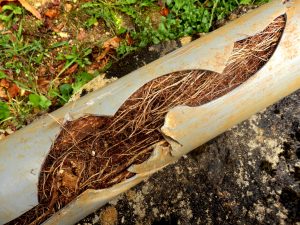 Last week we wrote about
 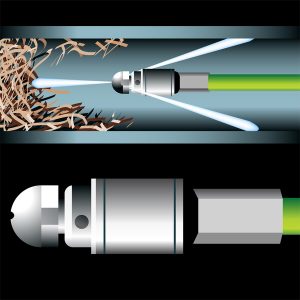 No problem in a home’s plumbing is “pleasant.” But it’s not an exaggeration to say that a backed-up sewer line is among the most “unpleasant” problems for a household. We sincerely hope you never have to deal with a plumbing issue this severe—but we’re also glad to be the ones to help you out with
 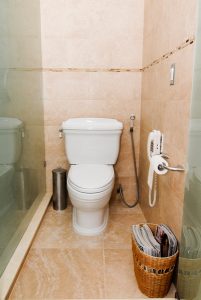 What appliance in your home uses the most water per year? You’d likely guess “the shower,” but that’s not correct. (Unless you take ridiculously long showers—which you should stop doing right away!) No, the correct answer is “the bathroom toilet.” The toilet accounts for 40% of all indoor water use. This means that a toilet that uses too much water is the biggest source of household water waste. If you have an older toilet (more than 20 years), we recommend looking into having it replaced with a special low-flow model, also known as a low-flush toilet. But a low-flow toilet is also a good idea as a replacement for newer standard toilets. The difference in water use is still significant.