

“Cement? Why is there cement in my drains?”
Drain clogs are one of the unfortunate hassles of daily life. Taking care of stopped-up drains is one of the basic jobs of a professional plumber, and any licensed plumber knows how to tackle a wide range of causes for clogged and slow drains.
There are a number of drain clogs that plumbers see all the time: clots of hair caught in the p-trap of a bathroom sink, food waste in kitchen sinks, objects accidentally flushed down a toilet, and soap scum build-up in a shower drain. But most plumbers can also tell stories about super odd things causing drain clogs. Here are a few of the more off-beat and unusual reasons for drain clogs—because even these can be helpful in understanding how to avoid future clogging problems.
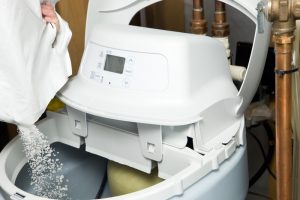 One of the important services we offer to our customers is the installation of water softeners. A
 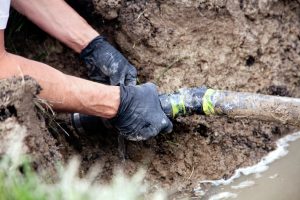 The sewer line that runs from your home’s drainage system and then out to the municipal sewer line in the center of the street is one of the essential components of your home—not just its plumbing system. You can’t have a hygienic or pleasant home if the sewer line is blocked or damaged.
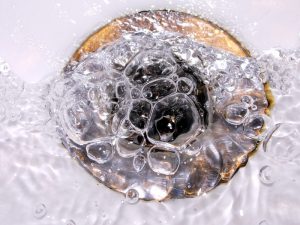 When we say “drain cleaning,” what first comes to your mind? Probably a clogged drain that you want unclogged. Unstopping clogged up drains is an important part of drain cleaning, and it’s a service people often call our plumbers to do. When you have a single drain or toilet clogged in your house, and a standard plunger won’t take care of it, that’s when you get in touch with one of our plumbers for the drain cleaning that will solve the problem.
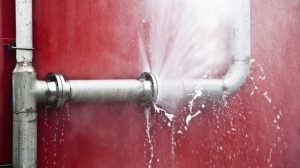 A good plumber is available to help you with a wide range of scheduled plumbing jobs, such as doing leak detection to find hidden leaks, regularly cleaning drains, installing new fixtures, and replacing old pipes. A great plumber is also ready to help you out in an emergency with 24-hour assistance. There are plenty of ways household plumbing can go wrong, and below are situations where we recommend you get on the phone immediately for an emergency plumber.
 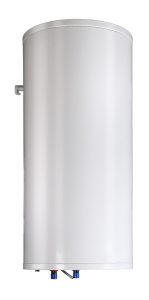 You’re in the market for a new tank water heater. You either want to replace the aging water heater currently in your home, or you’re moving in a new home that doesn’t have a water heater yet. Whatever the case, you’ll have plenty of questions about buying a new water heater. A major one is how big the water heater needs to be. Too small, and your household won’t receive sufficient hot water. Too big, and you’ll have a massive energy wasting appliance on your hands.
 At Ken Neyer, we use the best available tools for all the plumbing jobs we take on. Staying up to date with the latest in technology is one of the ways we deliver the best quality work to all of our clients. If we take on a job requiring repairing or putting in a new sewer or water main, we won’t use the old excavation methods that take up time and make a mess out of the property. Instead, we’ll use trenchless technology, which allows us to laterally bore through the ground to re-line a broken pipe or fit a new pipe into place.
 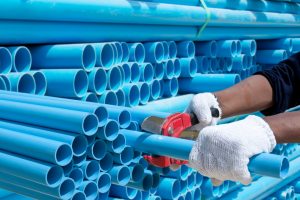 In the ol’ days of residential and commercial plumbing, the most common materials for piping were cast iron, clay, and galvanized steel. If you have a home that was built before 1970, you may have galvanized steel pipes in many places—if not for your entire plumbing system. Even earlier-built houses (pre-World War II) can have cast iron pipes and a clay sewer line.
 There are so many misunderstandings about how plumbing works and how to fix problems with it that we could probably base our whole blog just on writing about them. These myths range from understandable confusions to the downright odd. Here’s some quick debunking of a few:
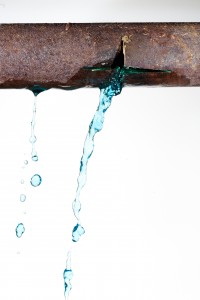 The period at the end of winter is the time when plumbing pipes are at the highest danger of bursting. When any frozen pipes might start to melt from warmer weather is when the pressure in the pipe dramatically spikes and causes the lateral bursting. You always want frozen pipes dealt with by professional plumbers as soon as possible. But if you do run into a