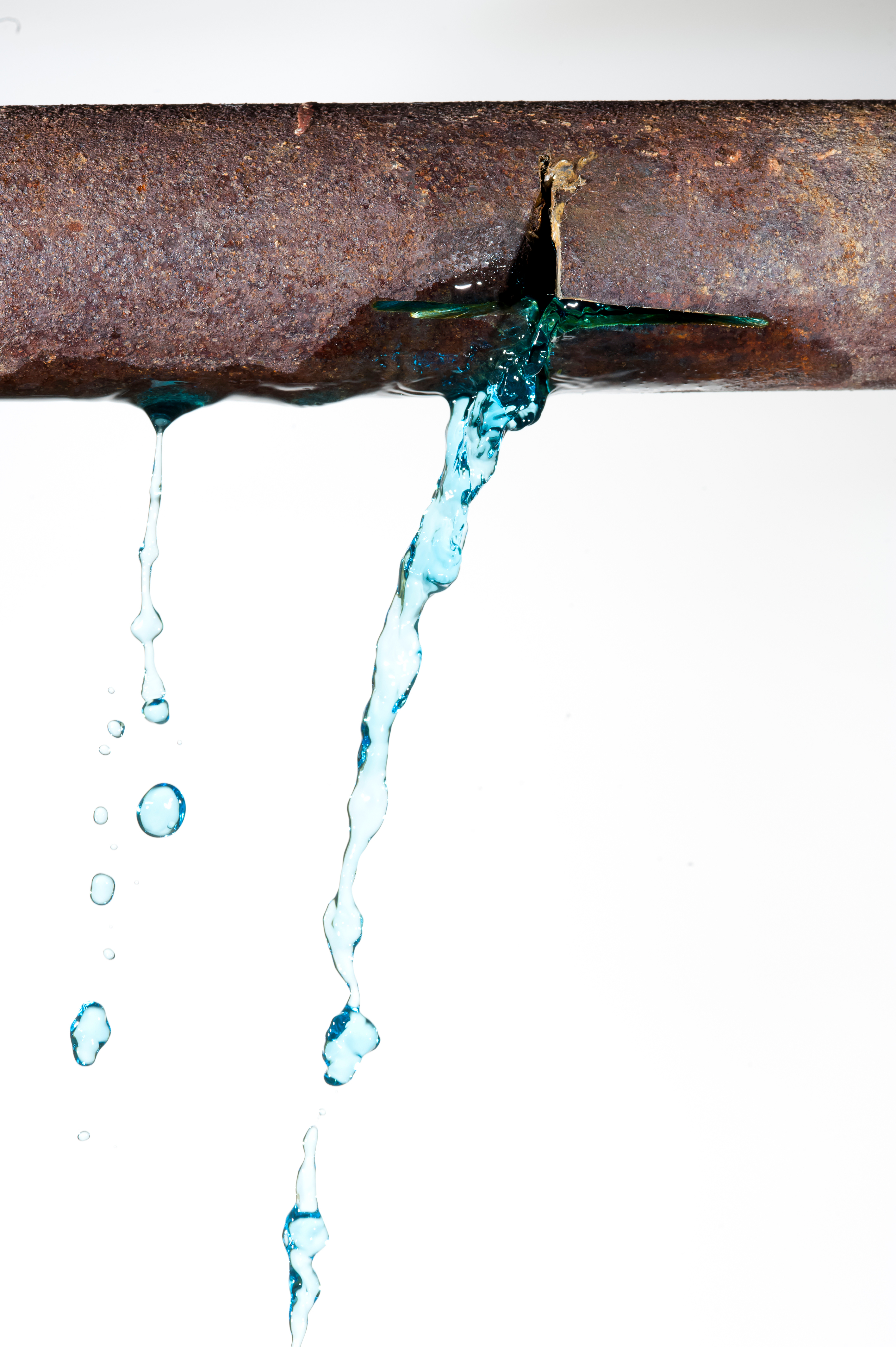
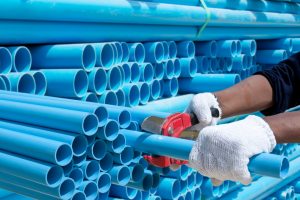
 Pipes are what most people think of when they hear the word “plumbing.” This makes sense. Pipes are the essential part of what plumbing is, the transportation of water, sewage, and gas from one place to another.
Since piping has a long history, there have been many different materials used to construct it, such as clay pipes back in the Bronze Age. (Clay, although better than Bronze Age era clay, was also common through the first half of the 20th century.) The piping materials used up to 1970 were usually cast iron, galvanized steel, and lead. These have fallen from favor, especially lead because of the toxicity it can add to fresh water. These materials are also prone to corrosion, which is why older homes often need to have water and sewer line replacements.
The modern plumber has superior piping materials available. Below are some of the materials we use for working on piping in Cincinnati, OH and the surrounding areas:
 If the first thing that comes to mind when you think of the words water filtration is a pitcher with a water filter cartridge in it, you should know there are much more effective ways to provide clean water to your house. A simple water pitcher can do some good, but it certainly doesn’t help your whole home, and there are many impurities that may escape it. Point-of-use filters attached to individual faucets have the same drawbacks.
 The sewer line that runs from your house to the municipal system in the street, or to a septic tank if your house is unconnected to the municipal line, is buried out of sight—and that’s the way we’re sure you want it. But this means it’s difficult to access or to observe when the sewer line starts leaking or suffers from tree root infestation.
 If you live in a house with a connection to the municipal sewer system (which is the majority of homes in the Cincinnati Area, but certainly not all) then the sewer line that runs from the house and out to the city pipeline in the street is your responsibility. If this line should suffer from damage, become blocked, or corrode, it’s up to you to