
Am I or the City Responsible for the Sewer Line from My Home?

February 13th, 2017

This is a question that homeowners often ask when it comes to taking care of the sewer pipe that carries away waste from their drains and out to the municipal sewer system. If something goes wrong with this pipe, such as a break or blockage, is it the responsibility of the utility company or the homeowner to have the pipe repaired or replaced?

The answer is: the homeowner. From the point where the sewer line exits the home to where it crosses under the property line is the responsibility of the homeowner. However, this isn’t as huge a burden as it sounds.
Continue Reading

5 Benefits of Water Softeners

February 6th, 2017

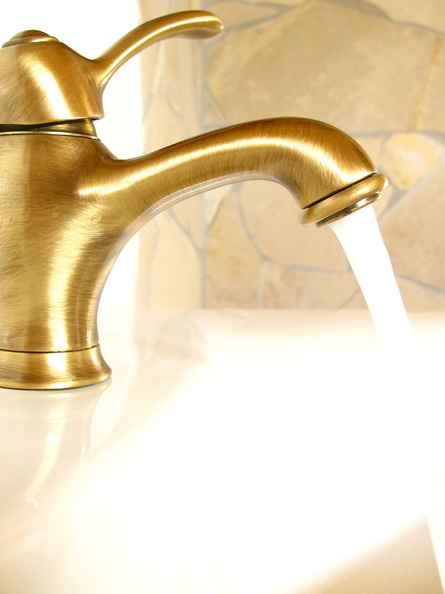
golden-water-faucet“Hard water.” It’s a strange phrase when you first hear it. Isn’t hard water called ice? No, hard water is a condition where water has a high amount of dissolved calcium and magnesium in it. This isn’t something to worry about when it comes to health. But it does has other effects throughout a home that can damage the plumbing and appliances.

If you have noticed a film or residue on your hands after using soap, then that’s a sign of hard water. What’s happening is that the soap is reacting to the calcium in the hard water and creating soap scum. You’ll also notice this soap scum on glass and porcelain surfaces. Hard water usually enters the water supply through municipal pipes, and it’s common in urban areas.

Don’t ignore hard water signs: it needs to be corrected, and the way to do it is to call on expert plumbers who offer water treatment services. They can attach a whole-house water softener to your plumbing that will eliminate the hard water problems.

Continue Reading

The Other Type of Plumbing: Natural Gas Plumbing

January 23rd, 2017

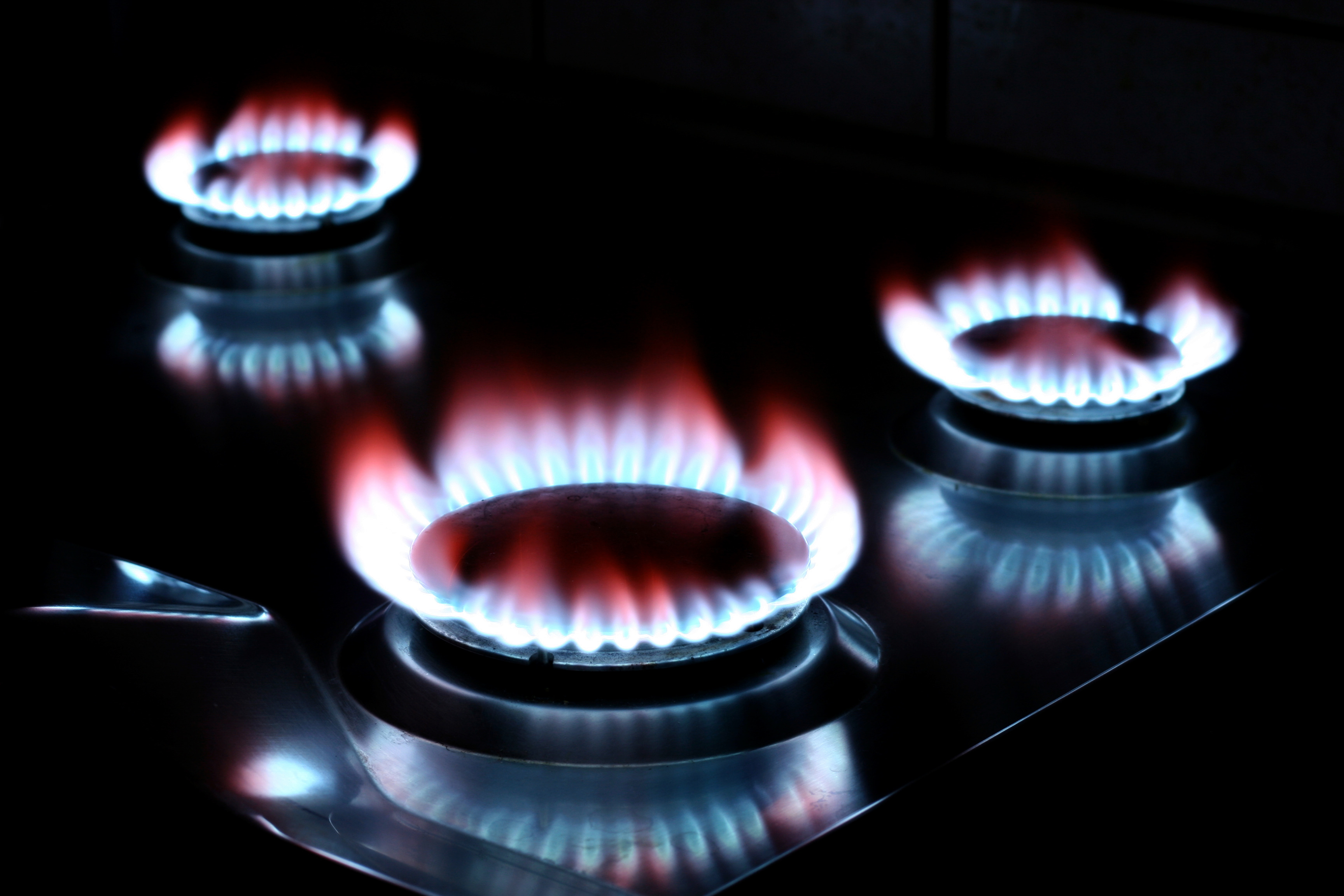
natural-gas-burnersWhen people think of the word plumber, they automatically connect it with water and sewer pipes. But this isn’t the only type of professional plumbing. There are also natural gas plumbers who work with the lines that transport gas from municipal lines to the various gas-fired appliances in a house or commercial building. Natural gas pipes provide the fuel supply for stoves, ovens, boilers, furnaces, fireplaces, outdoor grills, water heaters, and even laundry machines.

Why Expanding Natural Gas Use Is a Good Idea

If you already have natural gas power to your house, you may want to consider expanding the number of appliances that use it thanks to the work of gas line plumbers. Here’s why making the most use of natural gas is beneficial:

Continue Reading

Sometimes a Tank Water Heater Is the Best Choice for Installation

January 17th, 2017

You may have heard about the many advantages of tankless water heaters. In fact, you may have heard about them directly from us. We install, repair, and maintain tankless water heating systems, and we’re big proponents of households making the switch from the conventional storage tank water heater to a tankless system.

Or maybe it’s better to say that we’re proponents of households giving serious consideration to making the switch. The truth is that tankless water heaters are not always the ideal installation for hot water in a home. There are situations where sticking with a tank water heater for a replacement or new install is the optimal choice.

Continue Reading

Troubles You May Notice with a Bathroom Toilet

January 16th, 2017

The toilet is one of the major essentials in a home’s plumbing—a “can’t live without it” appliance. It also accounts for around 40% of the fresh water used inside a house. You simply can’t afford to have a clogged, leaking, or non-functional bathroom toilet. Although you can fix some basic problems on your own (like using a plunger for a simple clog), many of the common troubles that toilets encounter require the help of professional plumbers who offer bathroom plumbing services.

Below are a few of the problems you may notice with your toilet. Don’t ignore them, since they could soon lead to worse issues, such as leaking that can create damage to the floors. Water damage is expensive to remediate!

Continue Reading

When to Schedule Water Testing

January 9th, 2017

We recently wrote about the issue of lead in drinking water and what you can do about it. The first step is arranging for professionals—like ours—to test your water. This provides you with the vital information necessary to start improving the water with treatment systems, such as water softeners and reverse osmosis filters.

However, you may not know if your home needs this important testing. When should you have it scheduled? We have advice below:

Continue Reading

Getting Rid of Lead in Your Drinking Water

January 2nd, 2017

Concern about the quality of drinking water is rising in homes—that’s probably why you’re reading our post. Lead is one of the main concerns, and for some pretty good reasons. If there is excess lead in your drinking water, you’ll want to find solutions. We’re here to give you useful information on lead in residential water and what can be done about it.

Continue Reading

Drain Cleaning: A Great Idea for the New Year

December 26th, 2016

You probably have a few ideas for home improvements planned in 2017. If you don’t mind, we would like to make a suggestion for one you can add to the list. Don’t worry… this is actually one that’s simple to do. You only have to contact our professional plumbers and tell them that you want to arrange for professional drain cleaning services.

Continue Reading

Keeping Your Garbage Disposal Running Through New Year’s

December 20th, 2016

Your garbage disposal made it through Thanksgiving. That’s great! Now it has another series of holiday feasts to deal with. That means there’s a higher chance of something going wrong with it. Any plumber will tell you that one of the major calls they receive during the end of the year are repair calls for disposals. Although we are always glad to help you out when your plumbing is in trouble, we’d also like you to have a peaceful holiday season, so we’re offering you some advice about seeing your disposal get through the end of the year in great shape.

  • Don’t pour ice down it to “sharpen the blades”: Here’s a piece of advice drifting around for years that has no basis in fact. Ice cubes will not sharpen the blades of a disposal and help it better chop food—because the disposal doesn’t have any blades! It uses dull impellers to push food into an outer grind ring. Hard ice cubes have a chance to damage the disposal.
  • Run cold water down the disposal: Yes, hot water is better for cutting through grease, but grease shouldn’t go down the disposal either. (See the next point.) Hot water is more likely to cause parts of the disposal to overheat, so use cold water when it’s time to rinse out and run the disposal.
  • Keep fats, oils, and grease out of the disposal: Collectively known as “FOG,” these byproducts of cooking are extremely hazardous to disposals—as well as the plumbing in general. In liquid form, they appear harmless. But they won’t stay in liquid form long. As they cool, they congeal into solids, and this can seriously clog up the disposal as well as the drain.
  • Avoid putting fibrous foods in the disposal: This includes onions, asparagus, and anything else that’s “stringy.” The fibers of these foods can become entangled in the mechanical parts of the disposal and cause it to break down.
  • Only call professional plumbers for repairs: If you do encounter trouble with the disposal, don’t tinker with it yourself (and don’t put your hand down it). Our licensed plumbers are here to see that the problem is fixed, fast and right.

Ken Neyer Plumbing, Inc. is ready to help you with all your plumbing needs in Cleves, OH this season. We’re on duty 24 hours a day!

Continue Reading

Some Septic Tank “Don’ts”

December 19th, 2016

Not all homes have a connection to the municipal sewer system. Instead, they must rely on a septic tank to handle waste treatment and disposal. If your house is connected to a septic tank, there’s no reason that you shouldn’t be able to live in the same way as a house that has a connection to a sewer line. You just have to make certain that you keep the septic tank in good condition by avoiding a number of things that can lead to problems. Below is a short list of a few “don’ts” that will help you keep repair issues away from your septic tank.

Continue Reading