
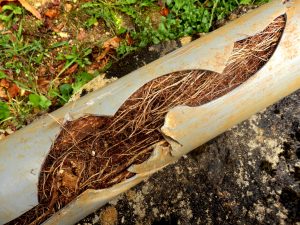
 Last week we wrote about backups in sewer lines, which are potentially a huge problem in a home. We looks at trouble from aging sewer line material, issues that can occur in the municipal sewage system that can end up creating a backup, and the common tree-root infiltration trouble.
This week we’d like to take another look at the sewer line and some of the other problems it can experience at the end of the summer. We hope you don’t have any emergency issues with your sewer line in Cincinnati, OH at this time of year, but you can always depend on our professionals for the help you need should trouble arise. We have 24-hour service for these emergency periods.
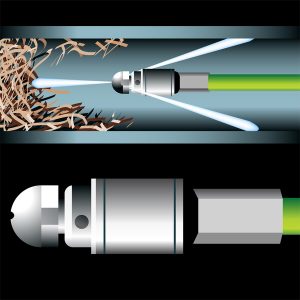 No problem in a home’s plumbing is “pleasant.” But it’s not an exaggeration to say that a backed-up sewer line is among the most “unpleasant” problems for a household. We sincerely hope you never have to deal with a plumbing issue this severe—but we’re also glad to be the ones to help you out with
 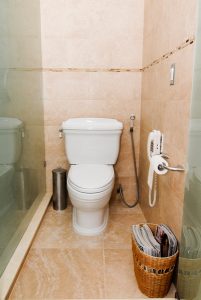 What appliance in your home uses the most water per year? You’d likely guess “the shower,” but that’s not correct. (Unless you take ridiculously long showers—which you should stop doing right away!) No, the correct answer is “the bathroom toilet.” The toilet accounts for 40% of all indoor water use. This means that a toilet that uses too much water is the biggest source of household water waste. If you have an older toilet (more than 20 years), we recommend looking into having it replaced with a special low-flow model, also known as a low-flush toilet. But a low-flow toilet is also a good idea as a replacement for newer standard toilets. The difference in water use is still significant.
  Corrosion: the gradual destruction of metal due to a chemical or electro-chemical reaction to the environment. Or, to look at a case you’re probably more familiar with, metal that rusts because of the presence of water. There are different types of corrosion, but when we’re talking about a residential water heater, it’s the corrosion that occurs because of the mix of oxygen and water in contact with metal.
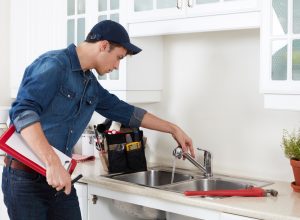 Prevention is always better than having to deal with a plumbing repair problem as it happens. If you can catch a plumbing issue early, you’ll be able to avoid both a costlier repair job down the road and major consequences that can lead to water damage in your house or vital fixtures (such as the toilet) no longer working.
 Hard water is one of the most common types of water quality issues homes encounter. No matter how well water is purified at a water treatment plant, hard water minerals (magnesium and calcium) can seep through ground water and into the municipal pipes carrying the freshwater to homes.
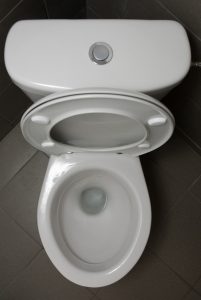 There are sounds you expect to hear from appliances and fixtures in your house, and you know how long these sounds should continue. For example, after a toilet is flushed, you should hear the sound of running water for about a minute afterwards. This is water coming from the feed line to fill up the tank to a set level, ready to rush down into the bowl for the next flush.
 We take pride in keeping current with the best plumbing technology available today, both to serve
 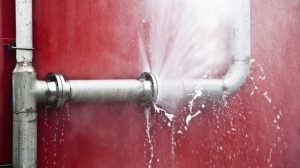 A plumbing mishap can range from small leaks and clogs to major water damage from a busted pipe. All plumbing issues require attention, but flooding from a broken pipe is one that creates a justifiable sense of panic in homeowners. Water damage can add up to thousands of dollars in repair costs and lead to the loss of irreplaceable valuables.
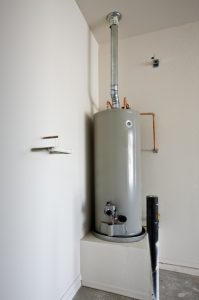 You never want to get caught without hot water for your home. It can mean going without showers and baths, and it also will bring a halt to a number of basic, everyday chores. In fact, you’ll never realize just how much you rely on your water heater through the average day… until you suddenly don’t have a working water heater!